


A space to slow down, learn, and reconnect
This blog is a space for the kind of learning that doesn’t overwhelm — where gut health can be explored gently, science is made accessible, and reflection is encouraged. Whether you’re a client, a practitioner, or just someone curious about your health, you’ll find grounded insight and practical tools here.

Why I No Longer Consider Farmed Salmon a Health Food (Part 2)
In Part 1, I looked at the nutritional evidence - the declining omega-3 content, the shifting fat ratios, the emerging microplastics research. In Part 2, I want to talk about what's been happening in the water I grew up on. In early 2025, a bacterial outbreak tore through salmon farms in the D'Entrecasteaux Channel. Over 10 million kilograms of Atlantic salmon died. Congealed fatty material washed onto beaches. Antibiotics entered the waterway. Rock lobster and abalone - including from fisheries my father worked for decades - had to be closed after testing positive for florfenicol. This is EPA-documented. It happened in the channel I love. And it's part of a global pattern, not a Tasmanian anomaly. This post covers what the research tells us, what the Planetary Health Diet has to say, and most usefully - what to actually eat instead.

Why I No Longer Consider Farmed Salmon a Health Food (Part 1)
I'm a fisherman's daughter. I grew up on the boat with my father, a professional cray fisherman, eating fish as fresh as it gets. I have a shack now in the D'Entrecasteaux Channel in southern Tasmania, opposite the salmon farms. Over the years I've watched that waterway change in ways that are hard to come to terms with. That tension - between what I grew up proud of and what I see happening to those waters - is part of why I'm writing this. So is the clinical picture. The evidence on farmed Atlantic salmon has shifted considerably, and most people, including the mainland naturopaths I spoke to at a recent conference, have no idea. This is Part 1: what's actually changed in the nutritional profile of farmed salmon, and why the health case for it is weaker than it used to be.

Cultivating Connection: What the NHAA Summit Gave Me
Last weekend I left Tasmania for the Sunshine Coast and came home full - not just professionally nourished, but deeply grateful. The NHAA Herbal Medicine Summit was themed Cultivating Connection, and it delivered in ways I hadn't anticipated. From Kira Sutherland's closing keynote about redwood trees and the mother tree's roots, to rosemary crowns at networking drinks, to the quiet joy of seeing all of my communities in one room - this weekend reminded me that connection isn't a nice extra around the edges of real work. It's the substrate. The root network beneath us all. A reflection on lineage, community, and what it means to be part of a profession that is genuinely, quietly rising together.

Practitioners - We Need to Talk! IBD in adolescents and young adults: are we paying enough attention?
IBD peak onset sits between 15-29 years - yet we're still not talking about it enough. In this first of two posts, I explore the clinical landscape we can't ignore: the rising rates of Crohn's and colitis in teens, the gene-environment factors shaping risk, and what allied health practitioners can actually do to help. From the 16-year-old who should have been at footy training to the 14-year-old planning her life around toilet access - these are our patients. And they deserve practitioners who understand the terrain. A practical, evidence-informed look at prevention, early recognition, and where microbiome health fits in.
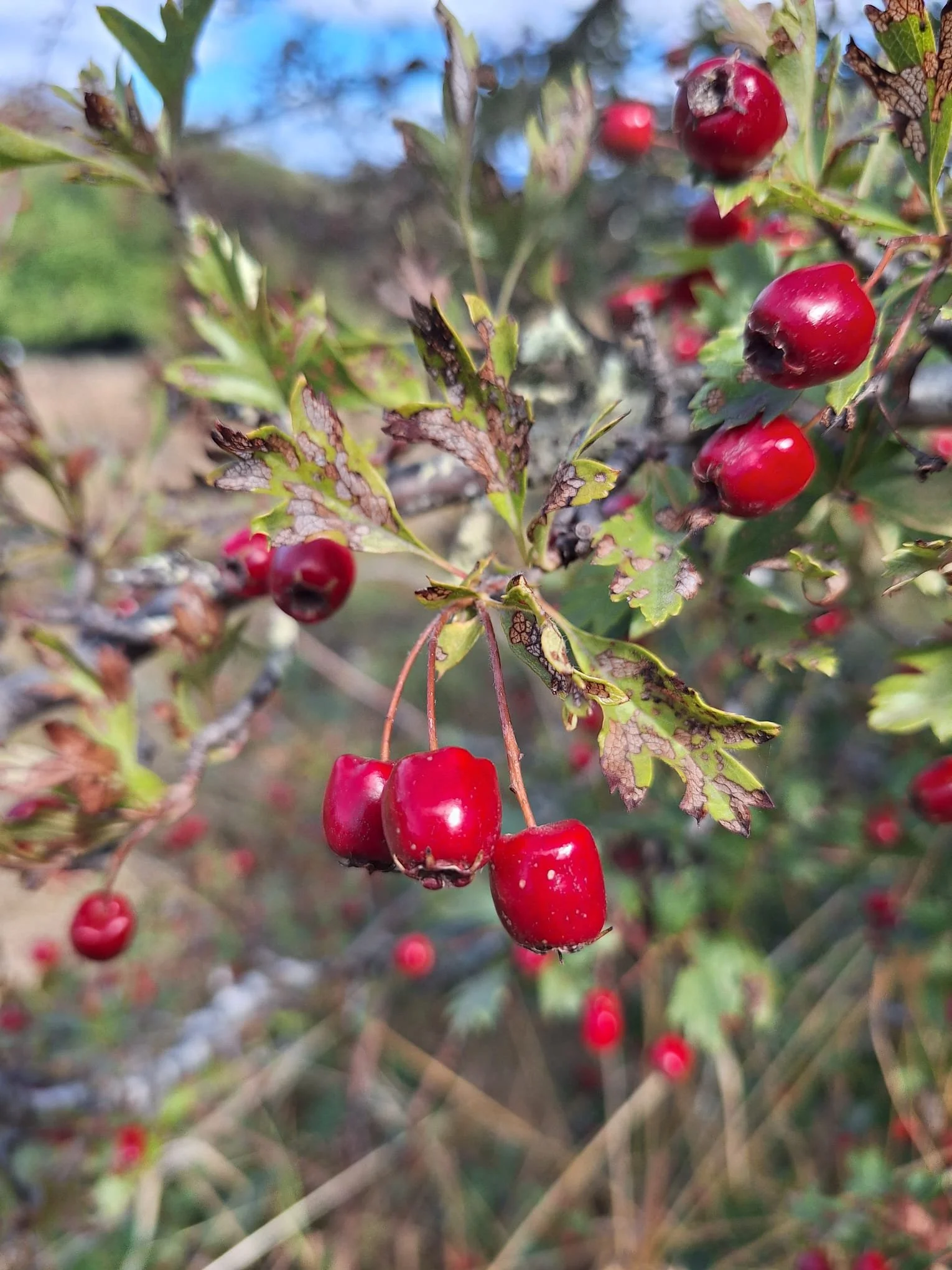
Hawthorn Season: Bringing the Berry Back to the Table
Every autumn, basket in hand, I find myself moving slowly along the hedgerows of Tasmania harvesting hawthorn berries - and every year I'm reminded that somewhere along the way, herbalists put this plant in a box. Hawthorn became "the cardiovascular herb," and in doing so, we sidelined the berry: the part most widely used traditionally, and the part modern research is now revealing as a powerful, gut-mediated medicine. From TCM's Shan Zha to the latest microbiome science, it's time to bring the berry back to the table.
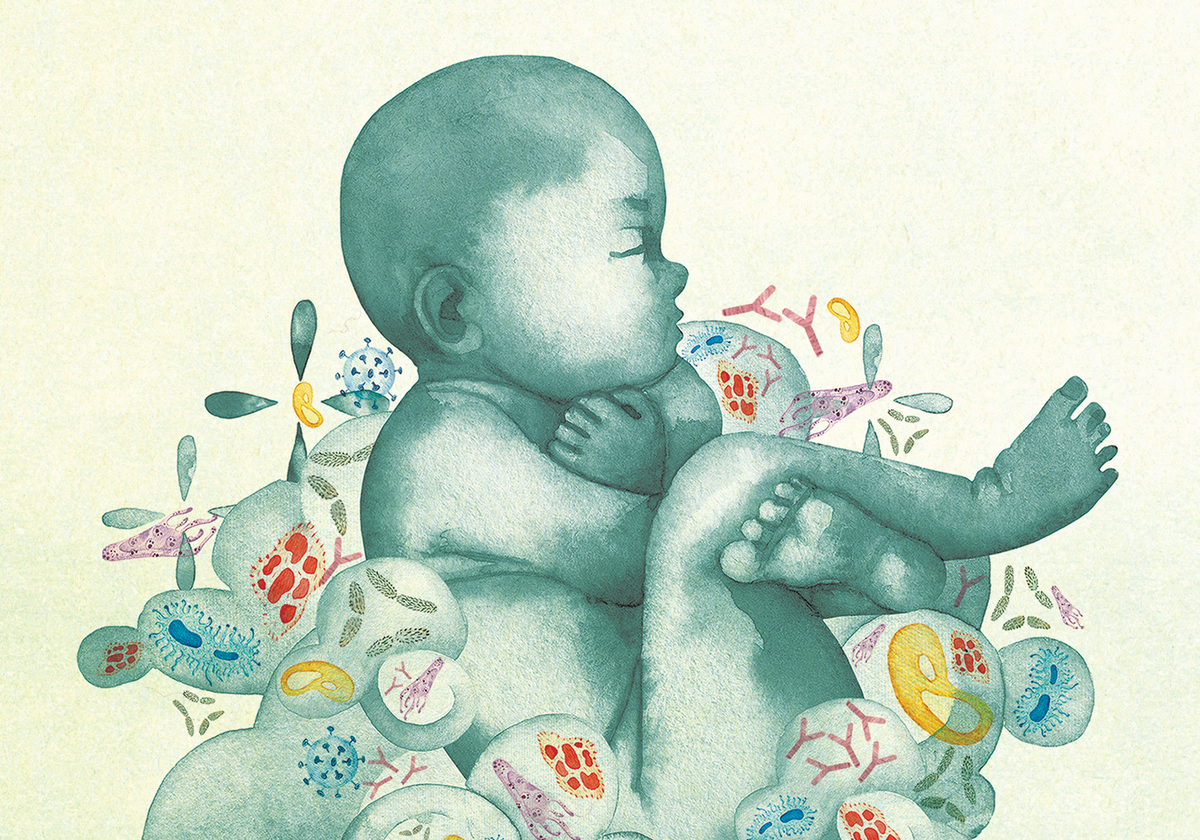
New Baby Microbiome Tests Are Here - But Are We Ready to Use Them Wisely?
When new microbiome tests designed specifically for babies and children arrived on the scene, I was genuinely excited. But after sitting down with the reports carefully, that excitement gave way to something more important - caution. Because in infants, the difference between a developing microbiome and a broken one can look identical on paper. And what we do next matters enormously.
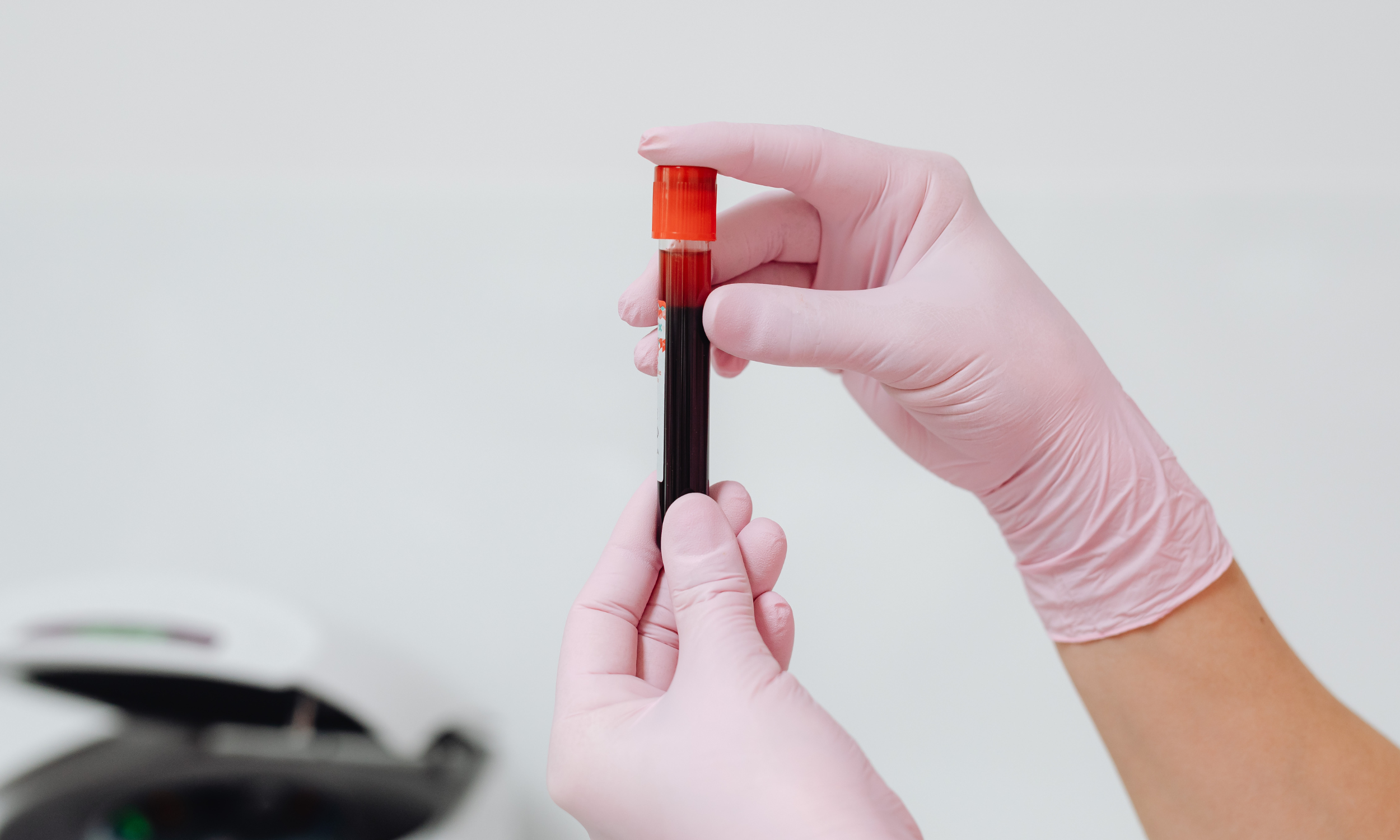
Iron Deficiency & Gut Health: What Most People (and Practitioners) Miss
"Just tell me the best iron supplement so I can start today." I hear this a lot. And I get it - iron deficiency is exhausting. But before we reach for a product, there's a conversation worth having about your gut, your microbiome, and why the why behind your deficiency matters more than the what.

Perimenopause and the Microbiome as a Rite of Passage
Perimenopause arrives differently for everyone - quietly for some, like a storm for others. But beneath the disrupted sleep, the bloating, the emotions sitting a little closer to the surface, there's something worth paying attention to. At the centre of this transition sits the microbiome, and when we learn to work with it rather than against it, something shifts.

The Gut–Brain Connection: How Your Microbiome May Protect Your Brain as You Age
Many people worry about their brain health as they get older - memory loss, brain fog, or even the risk of diseases like Alzheimer's or Parkinson's. What's often overlooked is that one of the most powerful influences on your brain may be happening quietly in your gut microbiome. Recent research suggests that certain gut bacteria can produce prion-like proteins that may influence the earliest stages of neurodegeneration. The hopeful news? By eating more plants, fibre, and polyphenol-rich foods, and by protecting your gut lining, you're not only caring for your digestion - you're investing in your brain's future and supporting your health span.

Fibre: The Forgotten Nutrient That Changes Everything
Fibre is the quiet powerhouse behind gut health, hormones, mood, and immunity. Learn why most people aren't getting enough, how different types of fibre feed your microbiome, and practical ways to increase your intake without bloating - including insights from our microbiome retreats.

IBS & the Microbiome: Emerging Science, Histamine Links & New Paths Ahead
New research reveals IBS isn't just about which bacteria are present, but what they're doing. Some produce compounds that trigger diarrhoea or constipation. Others are missing entirely - like butyrate producers that calm inflammation and support gut barrier function. The emerging link between microbiome imbalance, mast cells, and histamine may explain why some people experience food sensitivities, cyclical flares, or multi-system symptoms alongside their IBS. It's time to move beyond permanent restriction toward genuine restoration: rebuilding microbial diversity, calming immune activation, and supporting the gut-brain connection.

Perimenopause, Menopause & Your Gut: When Hormones, Microbes, and Identity All Shift at Once
Perimenopause and menopause can feel like your body has changed the rules overnight - hot flushes, brain fog, mood swings, and now your gut seems to be in revolt. Emerging research shows this isn’t “just aging”: hormonal shifts during midlife profoundly alter the gut microbiome, increasing inflammation, changing how you process oestrogen, and triggering symptoms from IBS flares to histamine intolerance. Understanding this hormone-gut connection is the first step to easing digestive chaos, supporting your microbiome, and feeling at home in your body again. In this blog, we unpack the science, the packaging, and the practical takeaways every practitioner should know. Because when it comes to probiotics, the question isn’t just “is it working?” - it’s “is it working for this person, in this form, at this time?”.
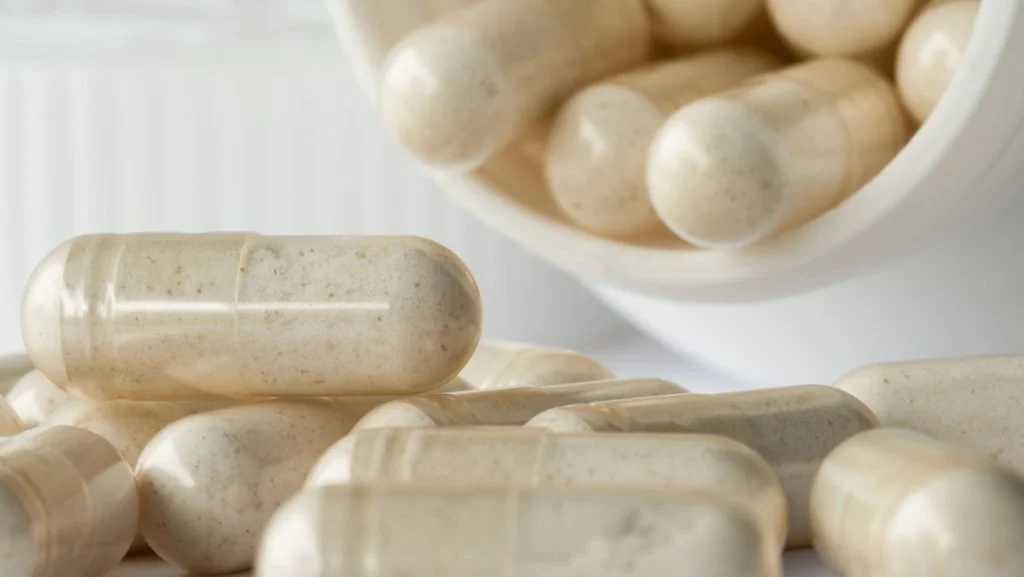
Probiotics, Packaging & the Path Through Your Gut: A Practitioner’s Perspective
When a client asked if her sun-warmed probiotics were still effective, it opened the door to a bigger conversation: how do delivery methods - like enteric coating and microencapsulation - affect whether probiotics survive the journey through the gut? From the acidic gauntlet of the stomach to the complex ecosystem of the colon, not all microbes make it through intact. Some strains are naturally resilient; others need protection. And what about fermented foods - do they survive digestion too?
In this deep dive, we unpack the science, the packaging, and the practical takeaways every practitioner should know. Because when it comes to probiotics, the question isn’t just “is it working?” - it’s “is it working for this person, in this form, at this time?”.

Field Notes from Freycinet: Why I Created the Microbiome Retreat
A personal story from naturopath Chantel Yates about returning to land, rhythm and food as medicine — and why rest is part of gut healing.

When SIBO Isn’t Just SIBO: What One Case Taught Me About Complexity
A real client story that reveals the deeper layers of chronic SIBO. Chantel reflects on food fear, nervous system care and why protocol isn’t everything.

What I Wish I’d Known About Gut Health When I Was a New Practitioner
Chantel Yates shares five honest lessons from 18+ years as a gut health naturopath — from early mistakes to the value of slowing down and mentoring.
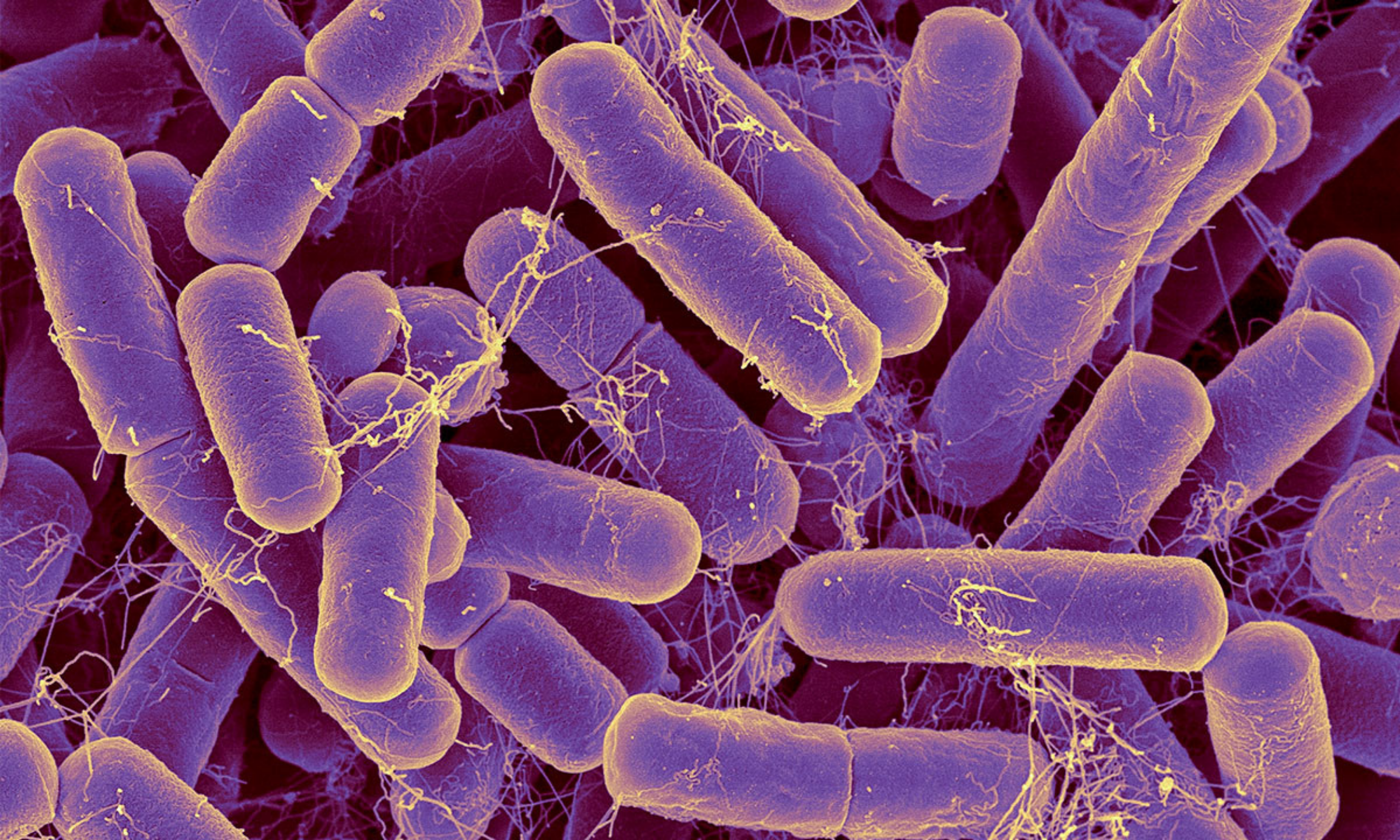
Same Sample, Different Story: Why qPCR and Shotgun Microbiome Tests Don’t Always Match
“Same gut, different story.” It’s a phrase I’ve come to know well. Clients are often puzzled when microbes flagged as high on one test vanish from the next. But this isn’t a mistake - it’s a reflection of how different microbiome testing technologies work. qPCR panels like GI-MAP are selective and targeted. Shotgun metagenomics? Expansive and ecosystem-wide. Each test tells a different story because it’s asking a different question. Understanding these differences is essential - not just for interpreting results, but for making meaningful, clinically-relevant decisions.

Probiotics: Separating Fact from Fiction
Are probiotics really the gut health cure-all they’re cracked up to be? They’re everywhere - from capsules to kombucha - but not all probiotics are created equal. In this article, we cut through the hype to explore what makes a probiotic effective, why strain specificity matters, and how real gut health goes beyond supplements. If you’re curious about how to support your microbiome in a more informed, sustainable way, this one's for you.

Beyond the Label: Rethinking IBS & Functional Gut Disorders in Clinical Practice
“I’ve had IBS for 20 years,” is a refrain I hear far too often - and all too often, it marks a dead‑end rather than a beginning. But IBS isn’t a disease; it’s a syndrome, a collection of symptoms with wildly varying root causes. In this post, we challenge the low‑FODMAP default and explore how a personalised, systems‑based approach - addressing visceral hypersensitivity, immune activation, gut–brain dysregulation and microbial imbalance - can shift care from mere symptom management to true gut healing.
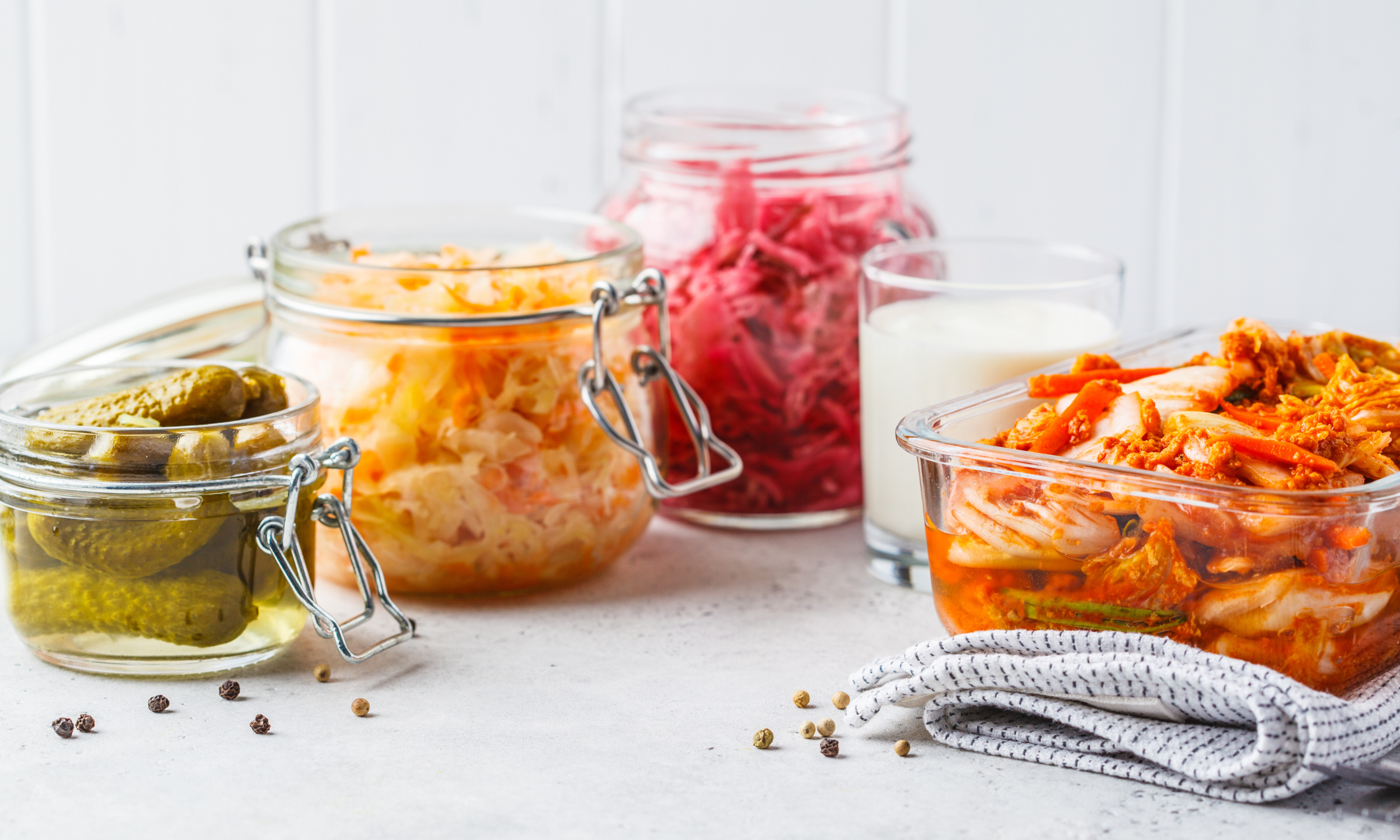
The Incredible Benefits of Fermented Foods: Why You Should Add Kefir, Kombucha, Sauerkraut, and Kimchi to Your Diet (Plus Tips for Histamine Intolerance)
Fermented foods like kefir, kombucha, sauerkraut, and kimchi have been enjoyed for centuries, offering unique flavours and impressive health benefits. Packed with probiotics, they support gut health, digestion, immune function, and even mental wellbeing. However, for those with histamine intolerance or Mast Cell Activation Syndrome (MCAS), introducing these foods requires a "low and slow" approach to build immune tolerance. In this blog, we explore the incredible benefits of fermented foods and share practical tips for incorporating them into your diet - whether you’re a gut health enthusiast or navigating histamine sensitivities.