Hawthorn Season: Bringing the Berry Back to the Table
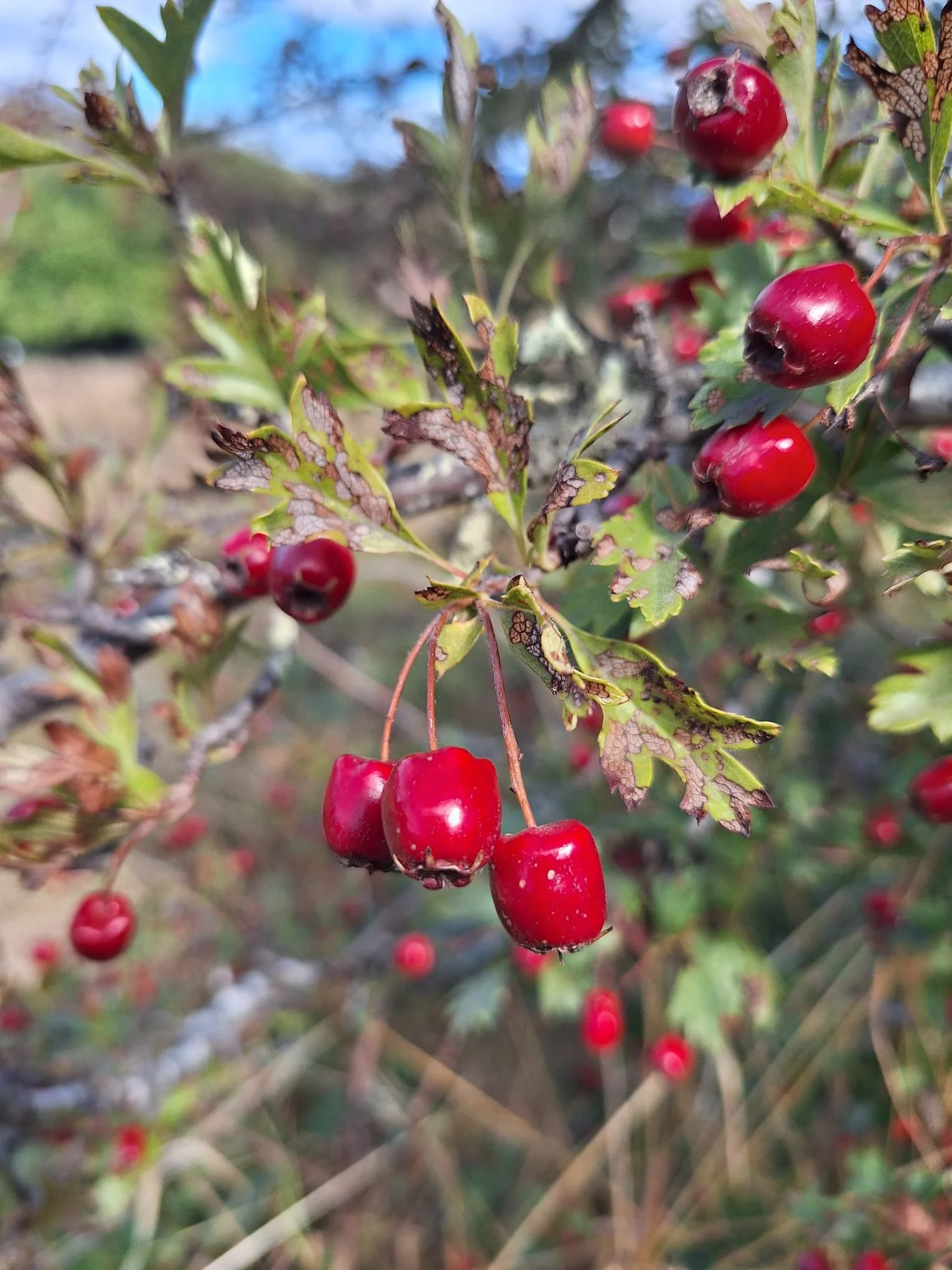
“I love this time of year in Tasmania!”
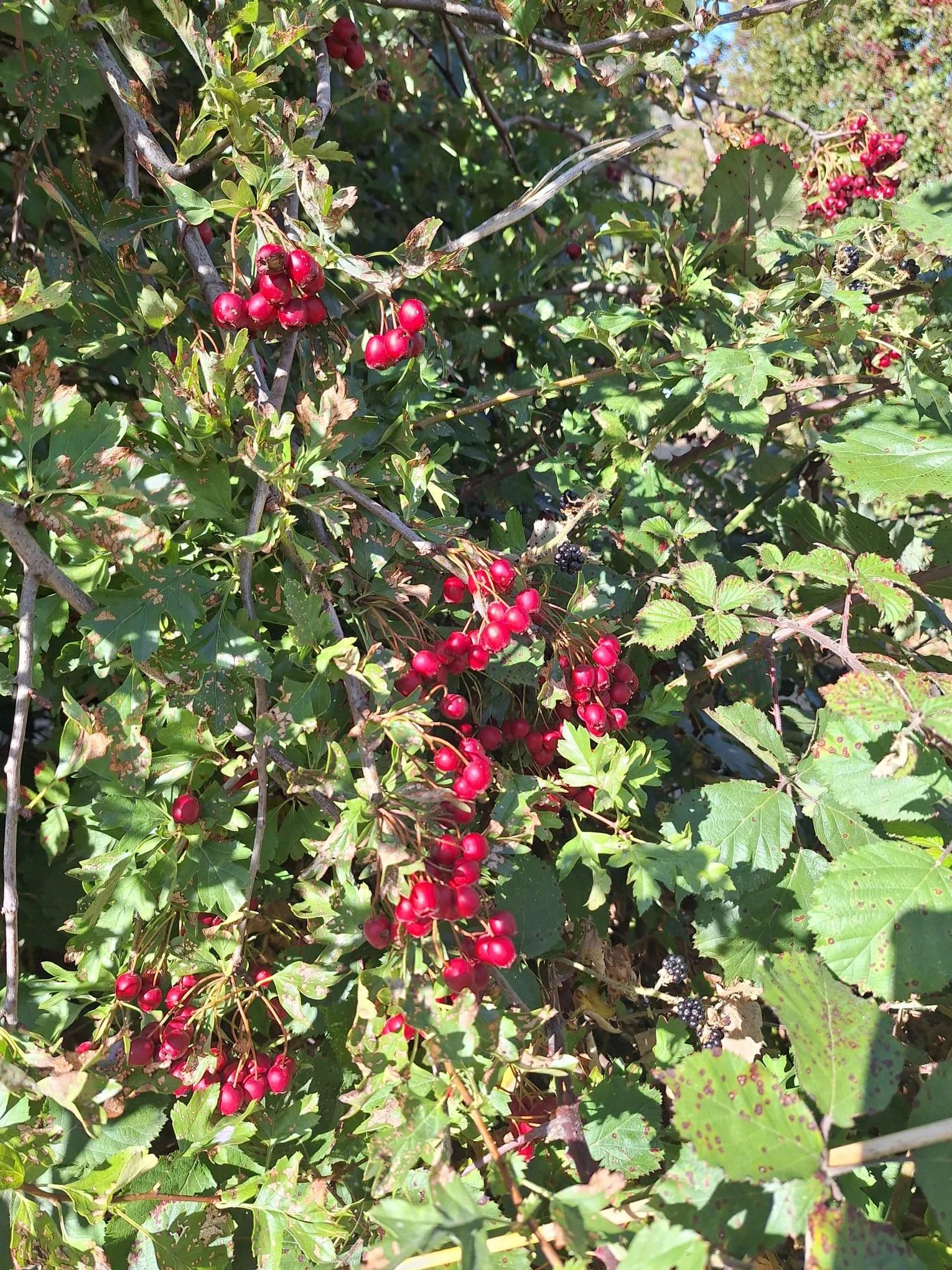
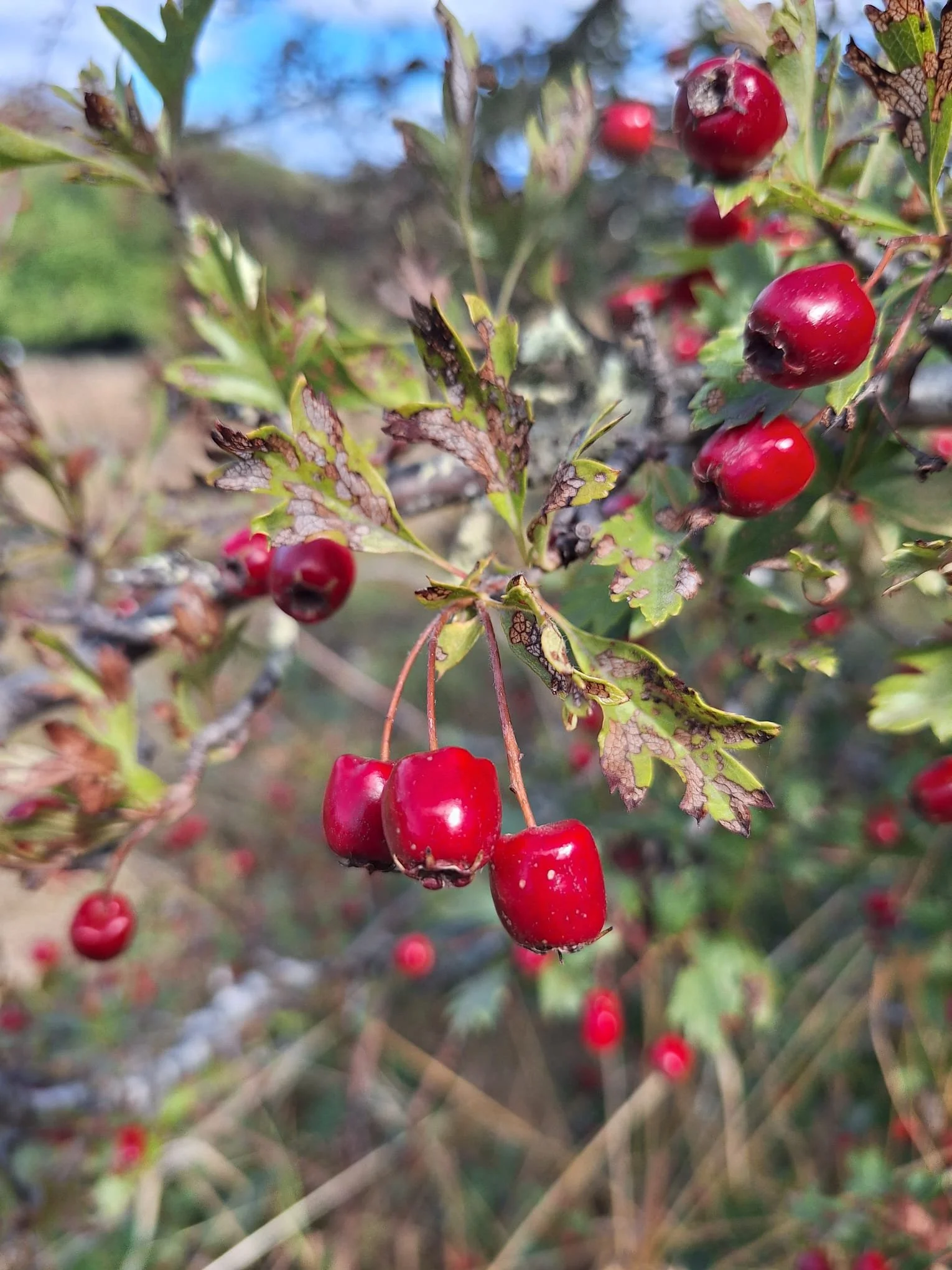
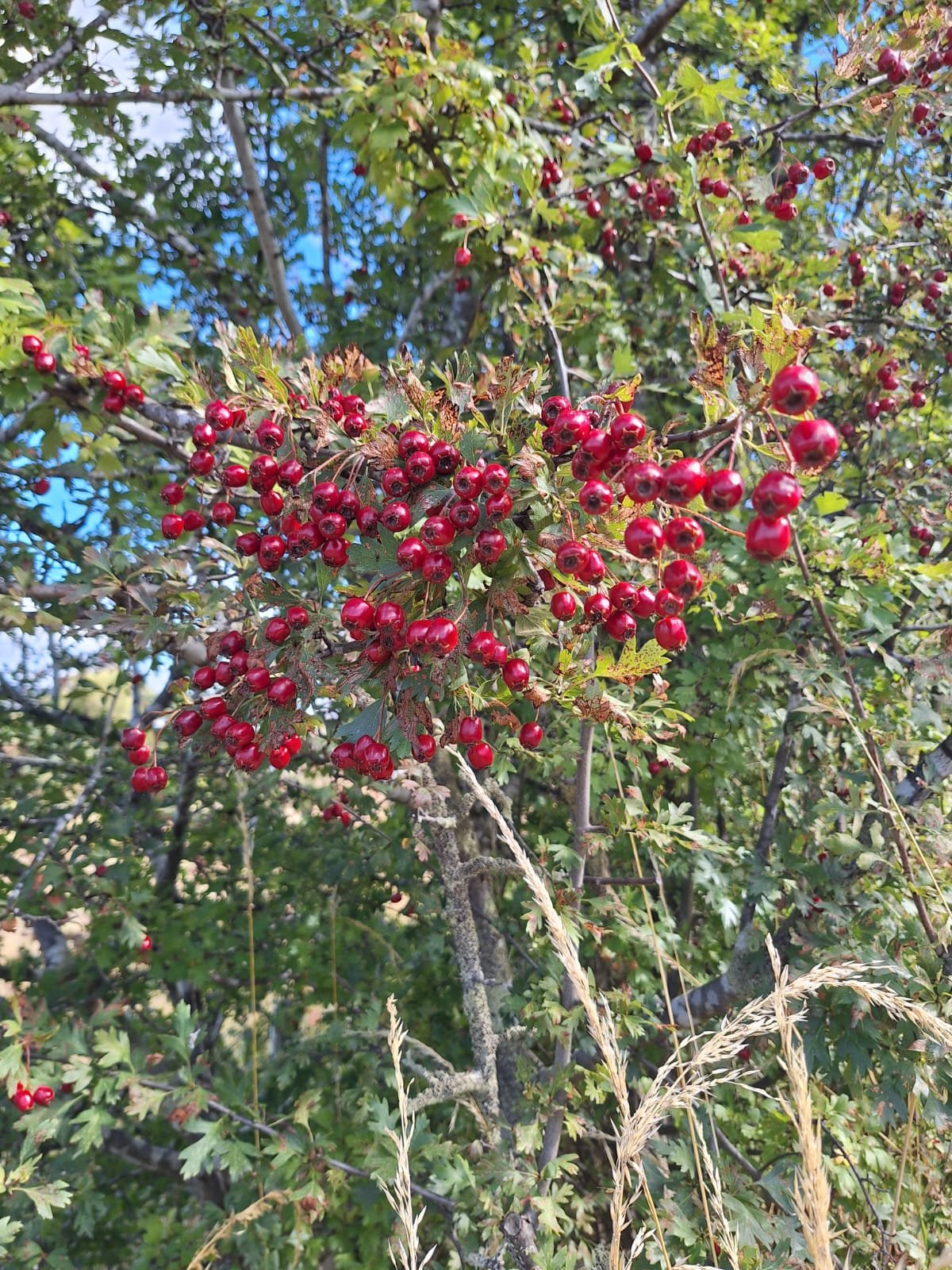
Autumn brings with it a particular kind of beauty that only arrives once a year. The hedgerows soften and grow golden, the light shifts, and all of a sudden, the hawthorn berries are ready.
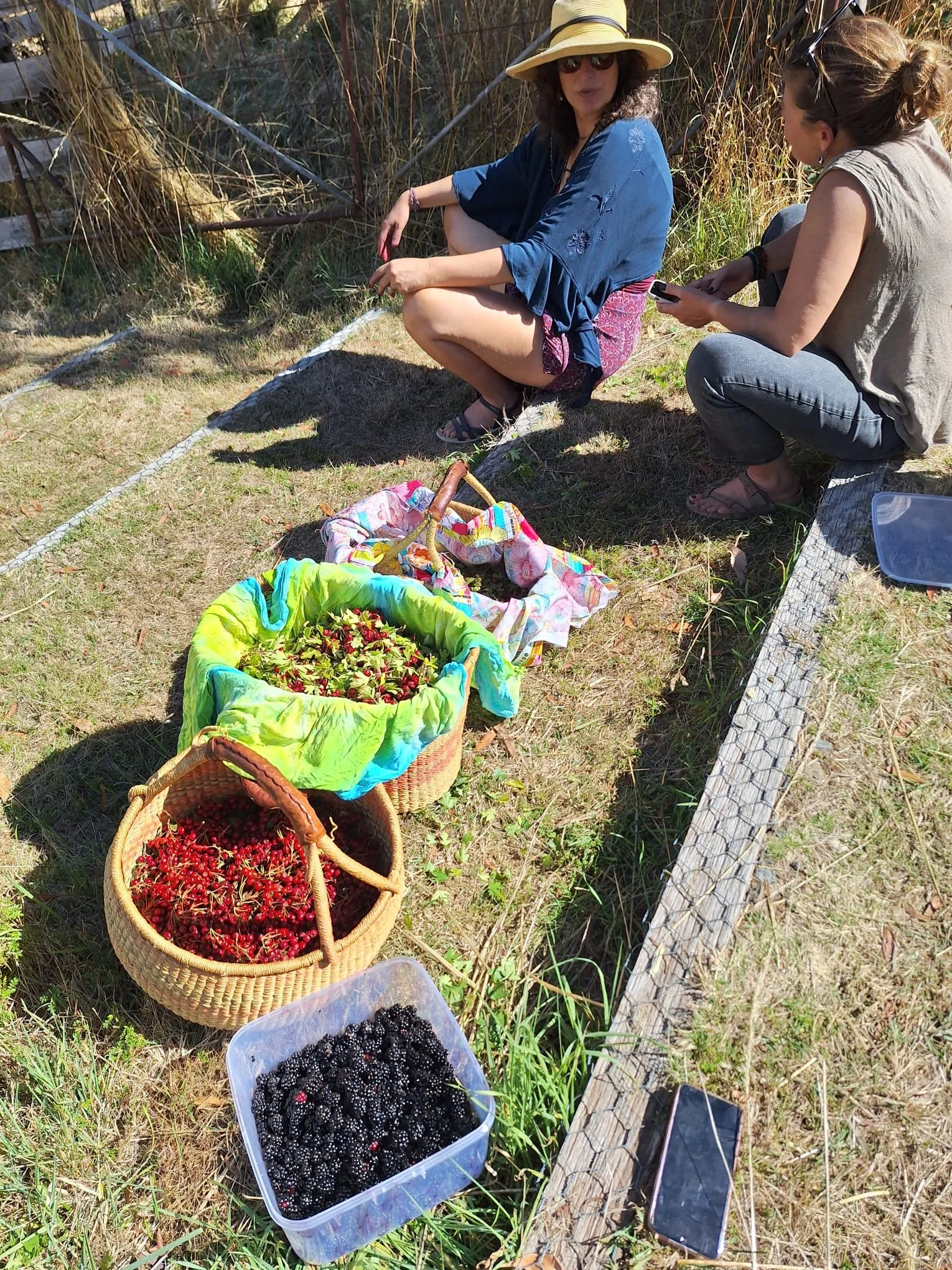
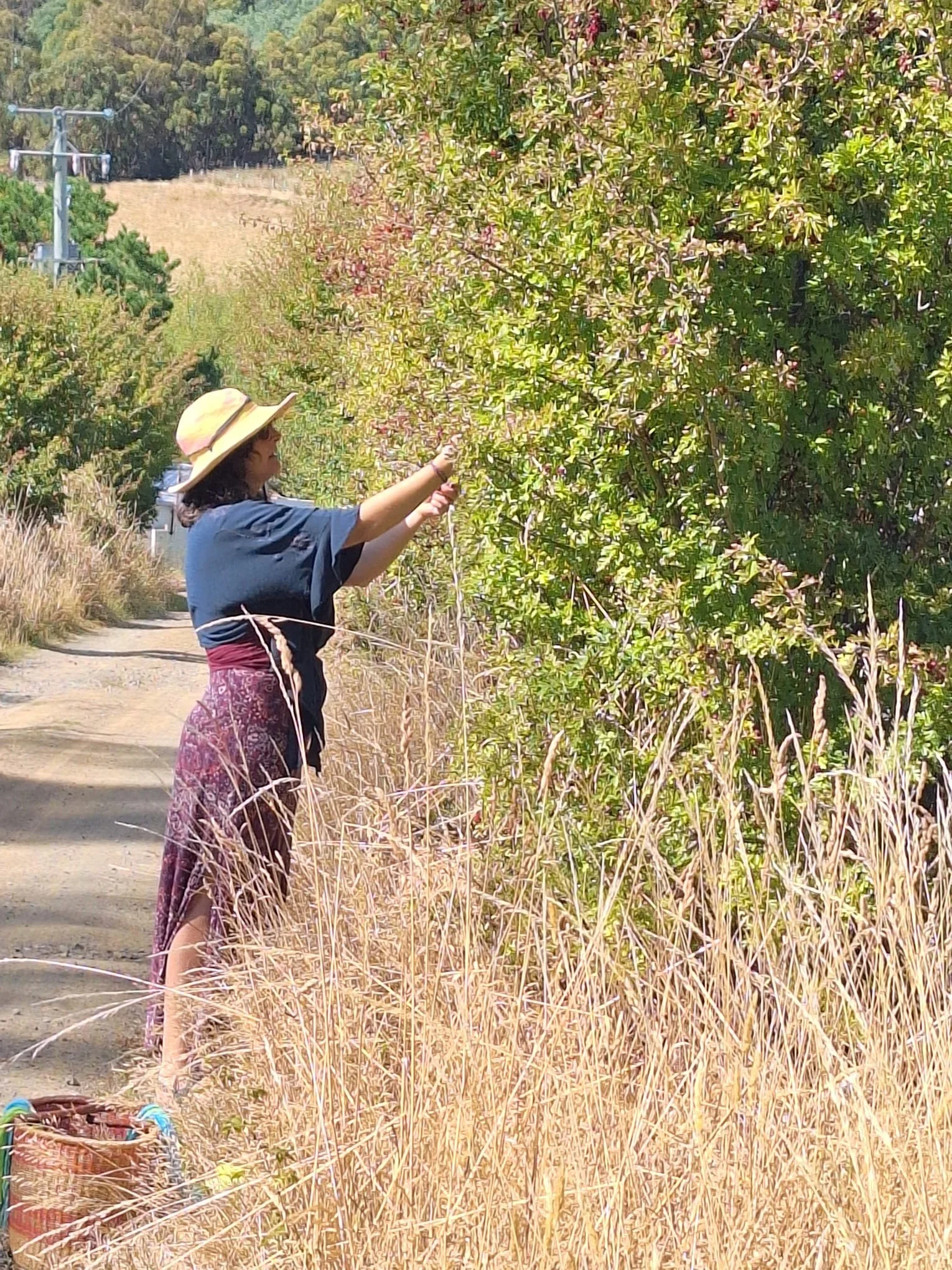
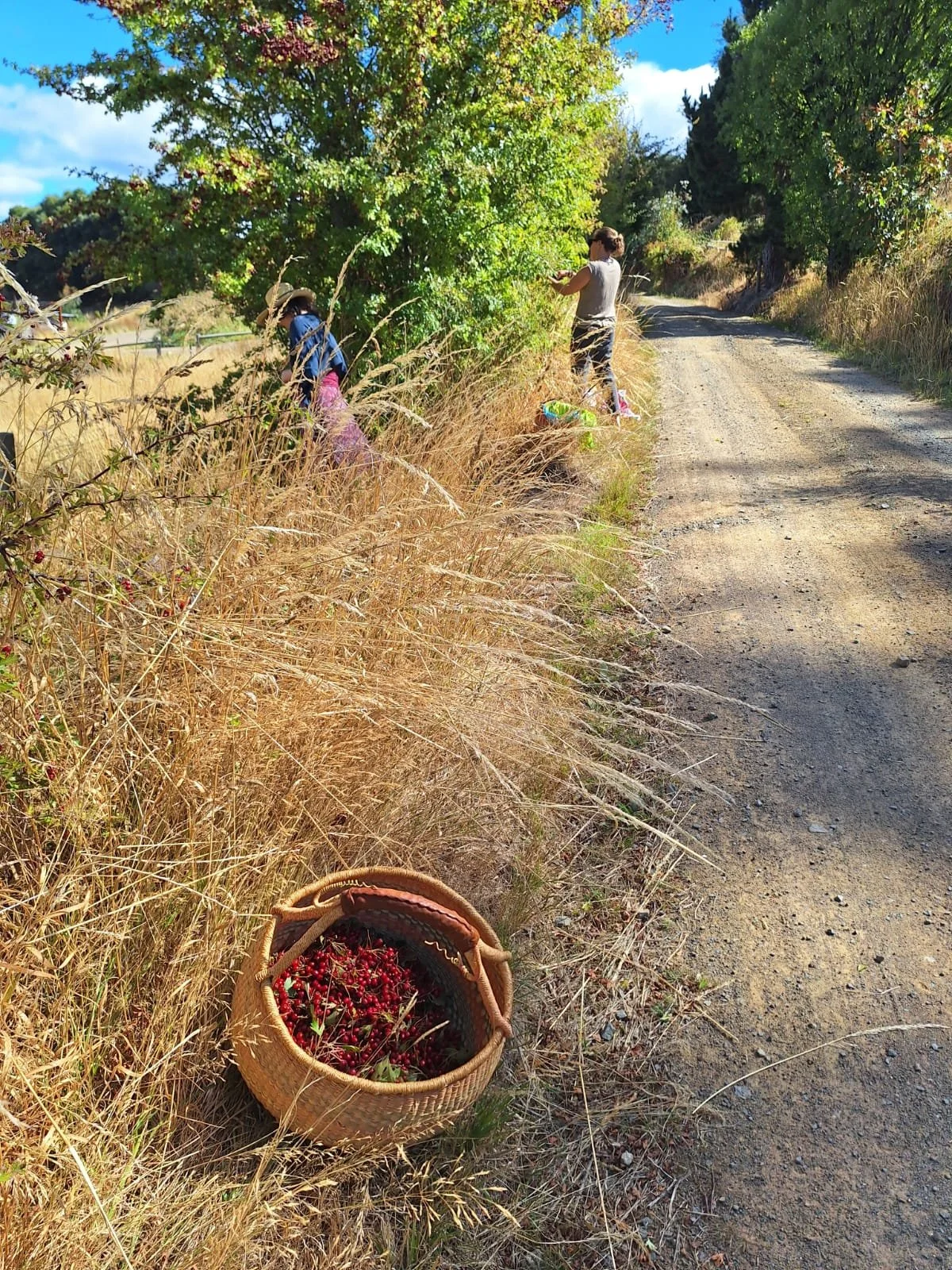
Every autumn, I find myself in the same rhythm, basket in hand, sleeves pulled down (but never quite enough), moving slowly along the hedge, often with herbal friends. There’s always that magical mix of conversation and quiet, with the occasional “these ones are perfect,” and the inevitable thorn scratches, the tasting as we go.
To me, it never feels like foraging in the trendy sense. It feels like returning home to something.
We bring them home, pile them onto the bench, and begin picking leaves and stems off, simmering, straining, pressing, laughing. It’s always messy, a bit chaotic, and so deeply satisfying. The kind of work that asks you to slow down, be present and forget about your phone or emails.
This is part of hawthorn’s medicine too. I see hawthorn as a plant about connection between people, yes, but also within the body.
Herbalists - Hawthorn Has Been Put In a Box!
What do you think of when I say Hawthorn berry?
If you are anything like me, somewhere along the way, hawthorn became the cardiovascular herb. And then we learned that the berry wasn’t actually a very potent one compared to the leaf and flower. That’s not wrong by any means. The leaf and flower are rich in flavonoids and procyanidins, with plenty of good evidence for endothelial support, positive inotropic effects, and improved circulation (Wang et al., 2025).
But clinically, and especially in teaching, hawthorn has been flattened and reduced to
“a cardiovascular tonic”, and in that process, we’ve unintentionally sidelined the part of the plant that was most widely used traditionally: the beautiful bright berry.
Not because it isn’t useful, but because it doesn’t fit neatly into a reductionist model.
Hawthorne berry is not as “potent” on paper. It doesn’t extract cleanly into a tincture. Basically, it resists standardisation. It behaves much more like a food than a herb. And that is exactly the point!
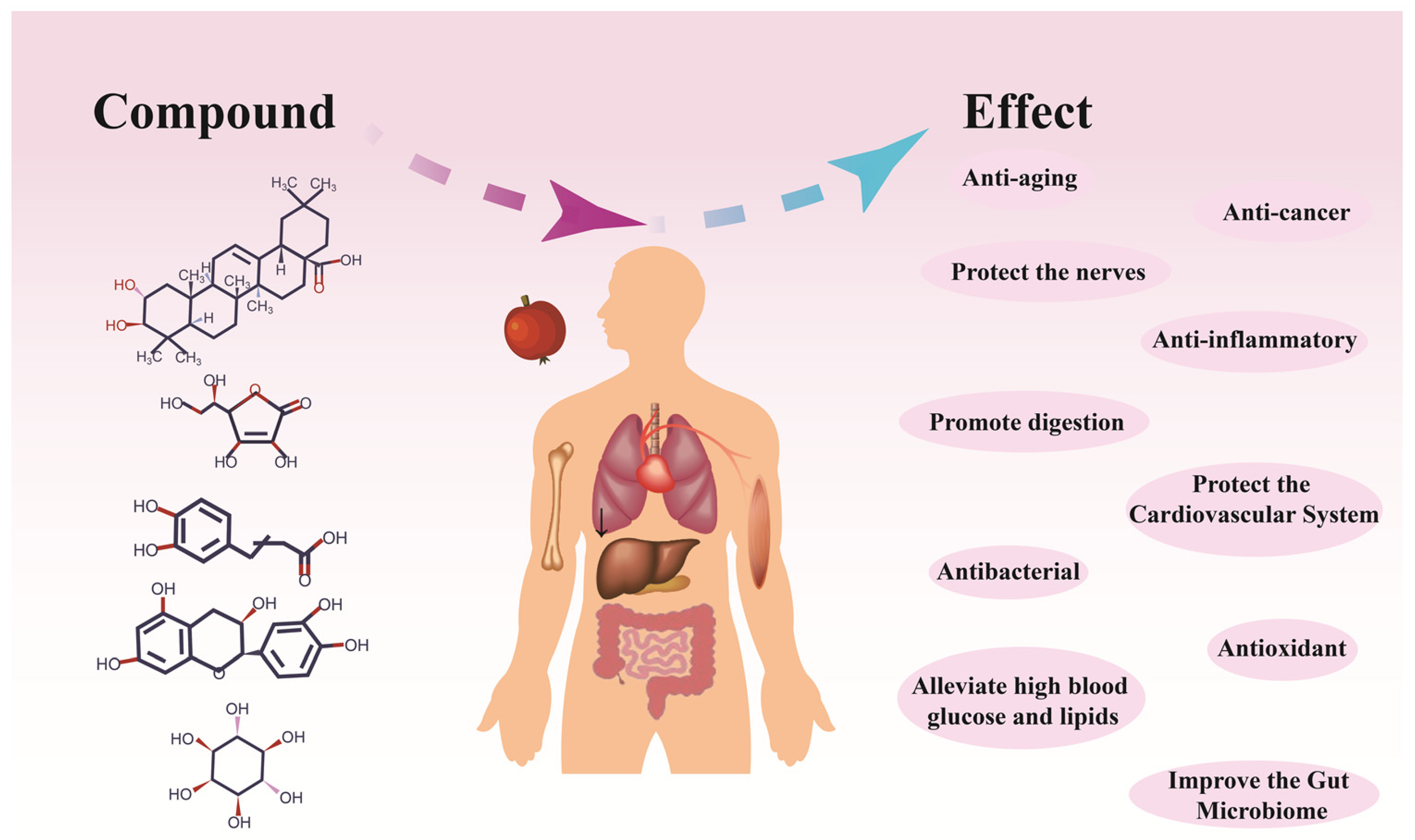
Zheng et al, 2026
The Berry Was Never Meant to Be a Capsule
Traditionally, hawthorn berry shows up in the kitchen, not the dispensary:
eaten after heavy meals
made into pastes, syrups, liqueurs and wines
taken regularly and seasonally
(Zhang et al., 2022)
And honestly, it took me a while to really understand that.
A Small (and Slightly Embarrassing) Hawthorn Story
Ever since I first became interested in herbs, well before I qualified, I’ve been harvesting hawthorn berries every year. Every year I would make a hawthorn berry liqueur.
Always the same recipe. From a slightly obscure, home-published book I picked up years ago in Liffey, Tasmania: Natural Remedies from Nanny’s Garden.
A great recipe, to be fair. It never let me down.
Then a few years ago, a herbalist friend suggested I try a different method, one that involved actually cooking and mashing the berries first which I had never done.
So I followed it. Simmered the berries, mashed them down, strained the liquid, added sugar while it was still warm to preserve it…and left it overnight.
Came back the next morning, and it had completely set! Not thickened. Properly set.
Somewhere along the way, without meaning to, I had made my first hawthorn berry jelly.
And of course, that’s when the herbalist brain kicked in.
“Why?”
And then remembering: Ahh, hawthorn berry is rich in pectin.
And then immediately, the next layer, what does that actually mean in the gut?
The Gastrointestinal Story. The Part We Forgot (and TCM Knew All Along!)
In Chinese medicine especially, hawthorn (Shan Zha) is primarily a digestive herb:
for food stagnation
for heavy, fatty, protein-rich meals
for bloating, fullness, and that “stuck” feeling
This isn’t a side action, this is the core of the plant, and fascinatingly (to me anyway) modern research is affirming this.
Hawthorn berry pectin is fermented by gut bacteria into short-chain fatty acids (SCFAs) (Li et al., 2025). These compounds nourish the gut lining, regulate immune responses, and influence neurotransmitter pathways.
Hawthorn pectin has also recently been shown to improve intestinal barrier function, reduce inflammation, and modulate microbiota composition (Li et al., 2025). Alongside this, hawthorn supports digestive enzyme activity and lipid metabolism, which aligns closely with its traditional use after heavy meals (Wang et al., 2025).
Recent reviews now integrate these effects, linking pectin, polyphenols, microbiome modulation, and metabolic regulation (Zheng et al., 2026). For a herbalist that works in the gut microbiome space and always thought I was using hawthorn berries for heart heath this is so cool!
The Bridge: Gut to Brain to Heart
This is the piece that reframes everything for me. The gut communicates continuously with the brain and heart via microbial metabolites, immune signaling, and the vagus nerve (Pferschy-Wenzig & Pausan, 2022; Zhong et al., 2023).
So when we support the gut in this very tangible, food-based way, we are also influencing mood, stress physiology, and cardiovascular tone.
Instead of: “hawthorn is a heart herb” we could instead be tempted to say: “hawthorn is a gut-mediated heart herb”.
Because the pathway looks something like this:
hawthorn berry
→ pectin and polyphenols
→ microbiome modulation
→ SCFAs and reduced inflammation
→ improved vagal tone
→ emotional and cardiovascular regulation
Re-Defining the Grief Indication
Hawthorn has also long been associated with grief, heartbreak, and that sense of tightness or heaviness in the chest, and while there is symbolism here, there is also beautiful physiology.
Grief often presents with:
altered appetite or digestion
heaviness after eating
nervous system dysregulation
chest constriction
In other words, a disturbance across the gut–brain–heart axis. So perhaps hawthorn does not bypass that. Perhaps it works through it. Food for thought (pun intended!).
Why Food Form Matters (Clinically)
If we are interested in pectin, microbiome effects, and gut–brain signaling, then food forms are essential.
It’s so important to remember that: Tinctures will not provide this. We need:
whole berry
water extraction
time
and often some sweetness, which plays a functional role in preparation and preservation
This is one of those places where traditional preparation methods are not quaint, they are precise and wise.
What About the Microbiome and Hawthorn Berries?
I’m so pleased you asked. Because this is where the traditional use and the modern physiology really start to line up.
As mentioned, Hawthorn berry is particularly rich in pectin, a fermentable polysaccharide that reaches the colon largely intact and is metabolised by gut microbes into short-chain fatty acids (SCFAs) (Li et al., 2025).
These SCFAs are not just by-products - they are active signalling molecules that:
support epithelial integrity (tight junction function)
reduce intestinal inflammation
regulate immune responses
and communicate with the nervous system via the gut–brain axis
More specifically, hawthorn-derived pectin and oligosaccharides appear to:
increase SCFA-producing bacteria
support genera like Bifidobacterium and Lactobacillus
and shift microbial composition toward a more metabolically favourable profile
(Li et al., 2025; Zheng et al., 2026)
In inflammatory models, hawthorn pectin has also been shown to improve intestinal barrier function and reduce pro-inflammatory cytokines, alongside restoring microbial balance following disruption (Li et al., 2025). There’s also some suggestion that these effects feed forward into lipid metabolism, likely one of the reasons hawthorn has such a strong traditional indication for “heavy,” fat-rich meals (Wang et al., 2025).
So clinically, when we’re using hawthorn berry in a whole, food-based form, jelly, syrup, decoction, we’re not just supporting digestion in a general sense. We’re:
feeding beneficial microbes
increasing SCFA production
reducing gut inflammation
and indirectly influencing both metabolic and nervous system function
Which starts to make sense of how a “digestive berry” ends up with such clear effects on the heart.

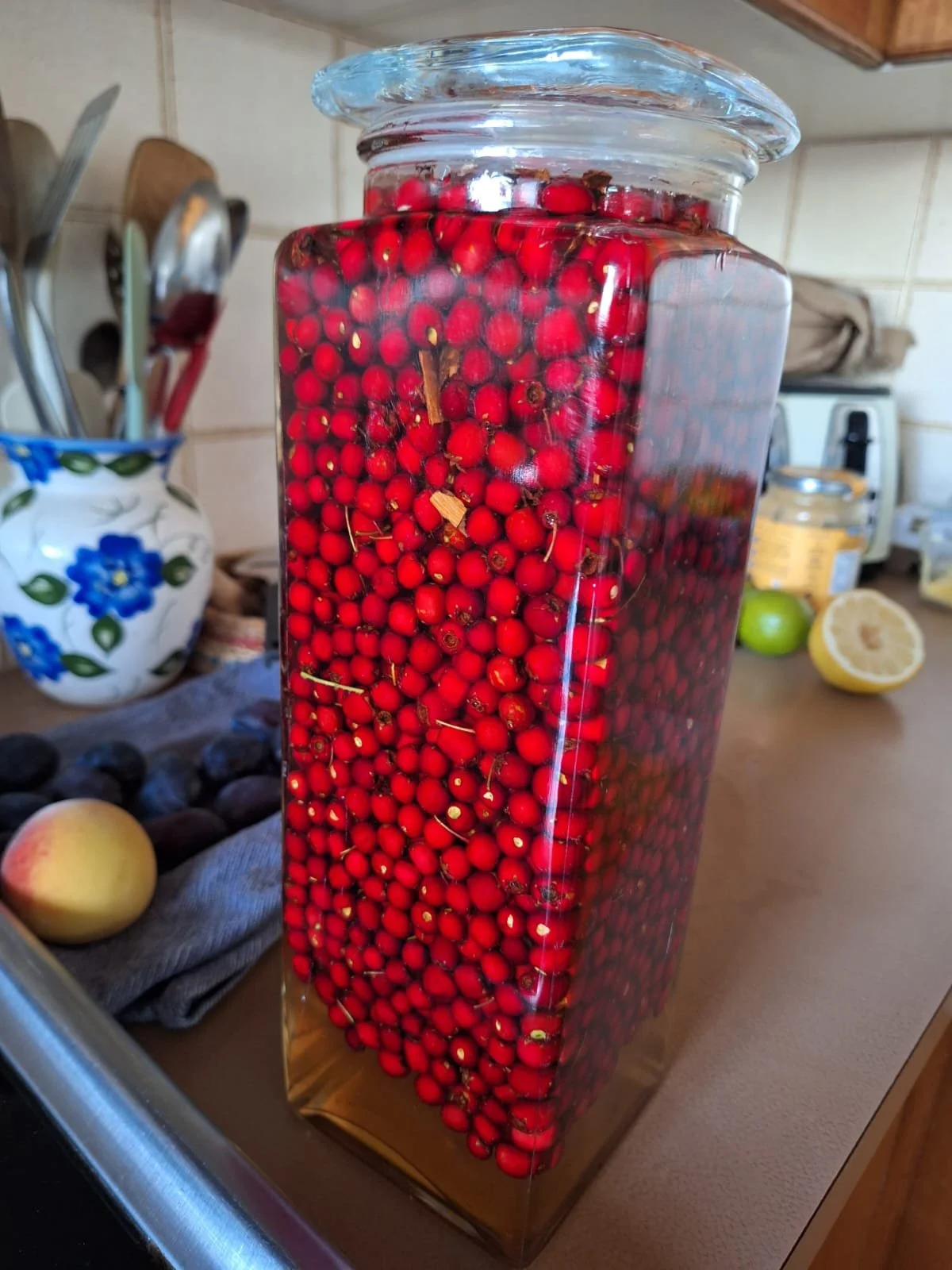
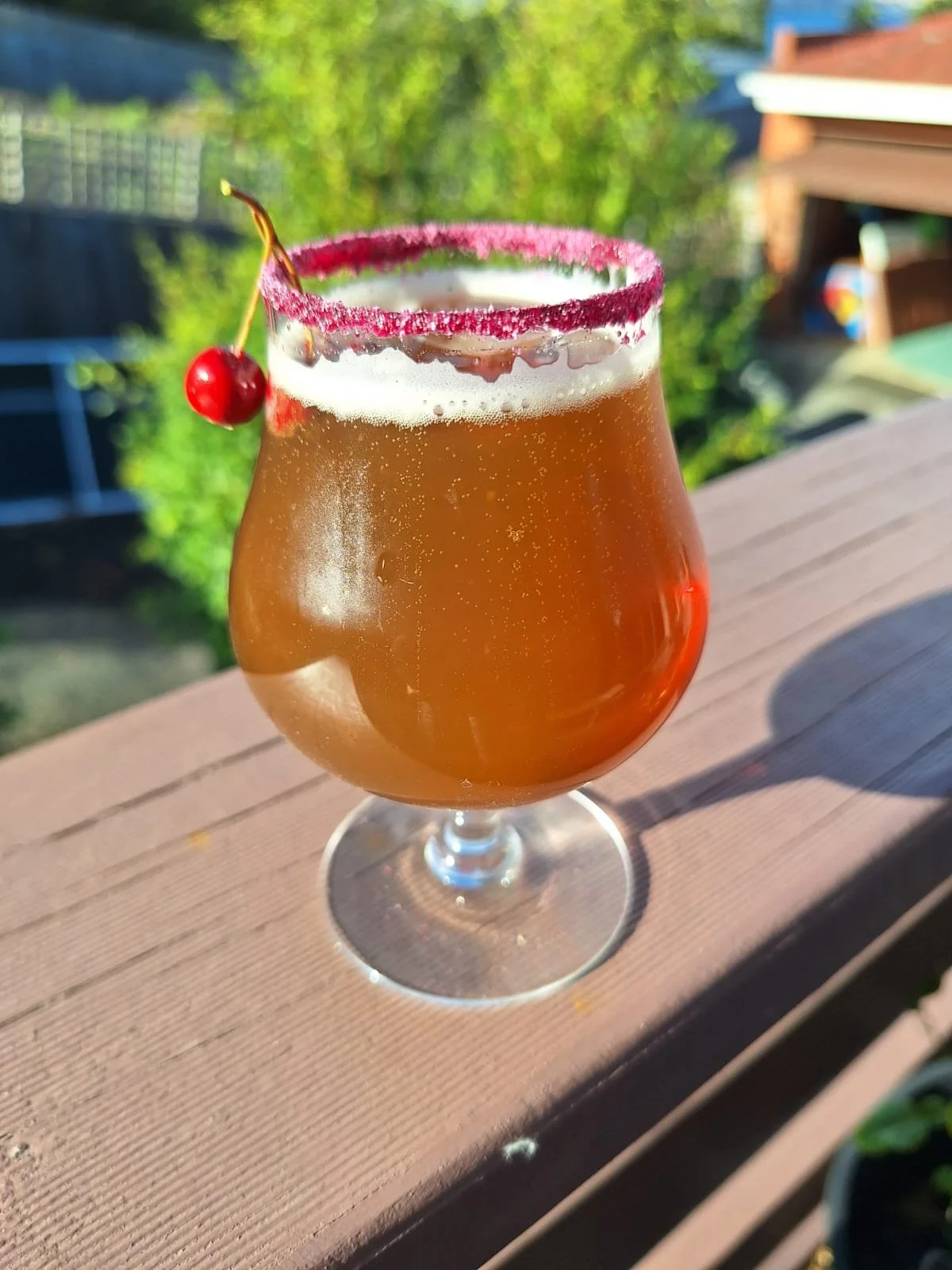
Digestive Hawthorn Berry Jelly
These kinds of preparations are very much in line with the work of one of my favourite herbalists, Rosalee de la Forêt, who consistently brings hawthorn back into the kitchen through syrups and decoctions. This version leans a little more toward a jelly, but keeps that same food-medicine foundation.
Ingredients:
approximately 1 kg fresh hawthorn berries
water to cover
500–700 g sugar (adjust to taste and storage needs)
1–2 slices fresh ginger
1 small cinnamon stick
2–3 lightly crushed cardamom pods (optional)
optional: squeeze of lemon juice (toward the end)
Method:
Rinse berries and remove stems
Add berries, ginger, cinnamon, and cardamom to a pot and cover with water
Simmer gently for 30–40 minutes until the berries are soft and broken down
Mash and strain through cloth or a jelly bag (allow to drip naturally)
Measure the liquid and return to the pot
Add sugar or honey (roughly equal volume for a firmer set, less for a softer consistency)
Simmer gently until it thickens to your desired texture
Add a squeeze of lemon juice at the end to brighten and support setting
Jar while hot in sterilised jars
Use:
a spoonful after meals, especially heavier ones
stirred into warm water as a digestive
taken regularly through the season as a gentle, cumulative support
This preparation gives you:
pectin for the microbiome
organic acids for digestion
polyphenols for vascular and metabolic support
All in a form that aligns with both tradition and physiology.
Bringing Hawthorn Back to the Table
So this is a gentle invitation, particularly for practitioners: Take hawthorn out of the cardiovascular box. Of course, continue using the leaf and flower where appropriate.
But bring the berry back into your clinical thinking and into your patients’ kitchens.
Because the berry:
feeds the gut
shapes the microbiome
supports nervous system regulation
and, in a slower and more foundational way, supports the heart
There is something very humble about hawthorn berries. Like many tonic herbs, it does not force an effect. Much like a nutrient dense food, it works through nourishment, through supporting systems, and most importantly, through time.
Perhaps that is why it has remained, across traditions, a herb for grief. Not because it removes the experience or attempts to “lift the mood”, but because it supports the body while it moves through it.
Here is a beautiful Hawthorn Berry song for you to learn and sing or hum softly as you pick your beautiful bright ruby red berries this season.
And special thanks to Alice and Kate for your company, conversation and laughter this year on our Hawthorne Berry harvest. Also, special thanks to Fat Pig Farm for allowing us to harvest from the hedge.
References
Li, J. et al. (2025). Digestive and fermentative properties of hawthorn pectic polysaccharides. Food Chemistry: X. https://doi.org/10.1016/j.fochx.2025.100945
Li, T. et al. (2025). Hawthorn pectin and gut microbiota modulation. Journal of Agricultural and Food Chemistry. https://doi.org/10.1021/acs.jafc.4c07965
McKenna, D. et al. (2012). Hawthorn. Botanical Medicines.
Pferschy-Wenzig, E., & Pausan, M. (2022). Medicinal plants and the gut microbiome. Nutrients.
Wang, Z. et al. (2025). Pharmacological effects of hawthorn. Journal of Agricultural and Food Chemistry. https://doi.org/10.1021/acs.jafc.5c11498
Zhang, J. et al. (2022). Food applications of hawthorn. Foods.
Zheng, F. et al. (2026). Therapeutic applications of hawthorn. Foods. https://doi.org/10.3390/foods15010148
Zhong, H. et al. (2023). Microbiome–gut–brain axis. Nutrients.