
Online Via Zoom
☆
The Microbiome Through Life
☆
Free Webinar Series
☆
Online Via Zoom ☆ The Microbiome Through Life ☆ Free Webinar Series ☆
Free | Tuesday 29 September 2026 | 12:30-1:30pm AEST | Replay Available
The Ageing Microbiome
What Happens to Your Gut as You Age & How to Care for It
The changes behind energy, immunity, mood and memory in later life, and what helps.

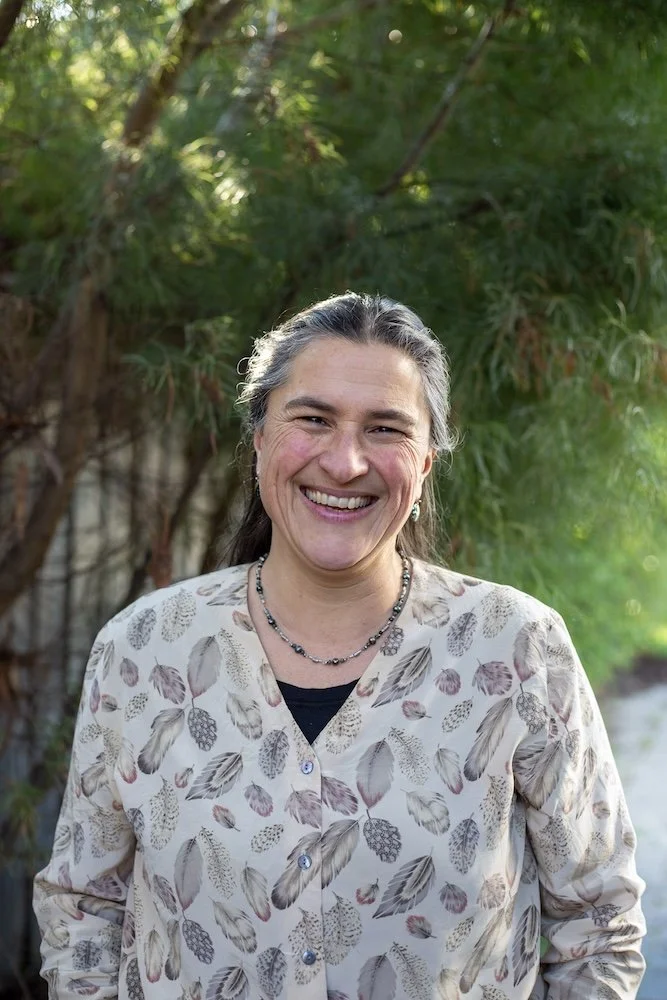

A note from Chantel
Ageing happens in the gut too.
We picture ageing on the surface. The wrinkles, the achy joints, the word that won’t quite come when you reach for it.
There’s a quieter change happening lower down, in a place most of us never think to look.
The community of bacteria in the gut changes as we get older. It loses some of its variety. A few of the helpful, anti-inflammatory residents fall away, and less helpful ones settle into the space they leave behind. That community has a hand in your immunity, your mood, your energy and metabolic health, and the constant back-and-forth between the gut and the brain, so the change is worth paying attention to.
Here’s the hopeful bit. Of everything that shifts as we age, this is one of the most workable.
Why this one matters to me.
Most of us carry a background worry about getting older. Sometimes it’s about the mind: a parent who began repeating themselves, a grandparent who stopped recognising faces. Sometimes it’s simpler. The wish to stay well, clear and independent for as long as we can.
I hear both in clinic, usually folded into a conversation about something else.
I can’t promise anyone a particular future, and I won’t pretend to. What I can do is look honestly at what changes as we age, and at the parts we can do something about.
The gut is one of those parts. It’s also one of the more hopeful places to begin.
What we actually need is a middle path.
There are two directions the conversation about ageing tends to go, and neither is particularly helpful.
The first is fatalism: forgetfulness, low energy, aches all get filed under "just getting older," and nothing more gets asked of it.
The second is overpromising: the anti-ageing aisle, the protocol that claims to turn back the clock, the assurance that decline is optional if you just try hard enough.
This webinar takes neither path.
It's built around the microbiome lens on ageing. Not every change is fixed and inevitable, and not everything is reversible either. The specific, evidence-based story of what happens in the gut as we age, what speeds it up, and what thoughtful, well-grounded care can look like.
What we’ll cover:
This is a 60-minute evidence-based webinar structured around five core areas:
1️⃣ What happens to the microbiome as we age
The research paints a fairly consistent picture. Diversity narrows. Some of the groups that keep inflammation in check, including the bacteria that make butyrate, decline, while more inflammatory species move in and the gut wall grows a little more permeable. We look at what that shift looks like in practice, and why it’s far from uniform. Some people reach their eighties with a gut that looks decades younger, and there’s plenty to learn from them.
2️⃣ Inflammageing, and the gut-brain connection
These shifts feed into what researchers call inflammageing, the slow rise in background inflammation that comes with age. The gut is one of its engines. It’s also where the gut-brain axis comes in, and where a lot of the newer research on cognitive ageing, and on conditions like Parkinson’s and Alzheimer’s, is pointing. We’ll look at the evidence, including the striking possibility that Parkinson’s begins in the gut, and I’ll be clear about what’s established and what’s still a question mark.
3️⃣ What speeds the ageing gut up
Some of what shapes the ageing gut is out of our hands. A good deal of it isn’t. A shrinking diet, a handful of common medications, a smaller appetite, less movement, more time spent alone: these leave their mark. We’ll explore the everyday drivers, and look at what to do about them.
4️⃣ How to care for your microbiome as you age
The most practical part of the session, and the part most people come for. What supports the ageing gut: variety and plant range on the plate, enough fibre and fermented food, enough protein, and the movement, sleep and company that shape the microbiome as much as diet does. We’ll cover the targeted approaches too, and which ones have real evidence behind them.
This is where healthspan comes in. Not chasing the prevention of any single disease, but tending the conditions in which the body and the brain age well.
5️⃣ For practitioners: the ageing gut in clinical practice
For the practitioners in the room: how to hold this well with older patients. What polypharmacy does to the microbiome, where the evidence is solid and where it’s still emerging, and how to support the ageing microbiome without overpromising or narrowing the differential too soon.
Who this is for:
This webinar bridges two audiences, the way the whole series does.
In my Midlife Microbiome webinar I said to the midlifers: 'it's time to get your 75-year-old self in the frame.' Who do you want to be at 75? And, more to the point, how do you want to be? Me? I still want to be walking up mountains to enjoy the view.
Maybe you're moving into your later decades and you want to understand what's happening, and what helps, rather than another list of things to be anxious about.
Maybe you're caring for an older parent and you want something practical to hold onto.
Maybe you're a practitioner working with older patients, and you want to hold the ageing-gut research with real rigour.
Wherever you're coming from, you're welcome here.
What you’ll leave with:
A clear picture of what actually changes in the gut as we age, and why some people's guts hold up far better than others.
An honest look at inflammageing and the gut-brain connection, including what's established and what's still an open question.
The everyday, changeable drivers behind a faster-ageing gut, from diet to medication to movement.
A practical framework for supporting the microbiome in later life, and which targeted approaches actually have evidence behind them.
For practitioners: how to hold this with older patients without overpromising or narrowing the differential too soon.
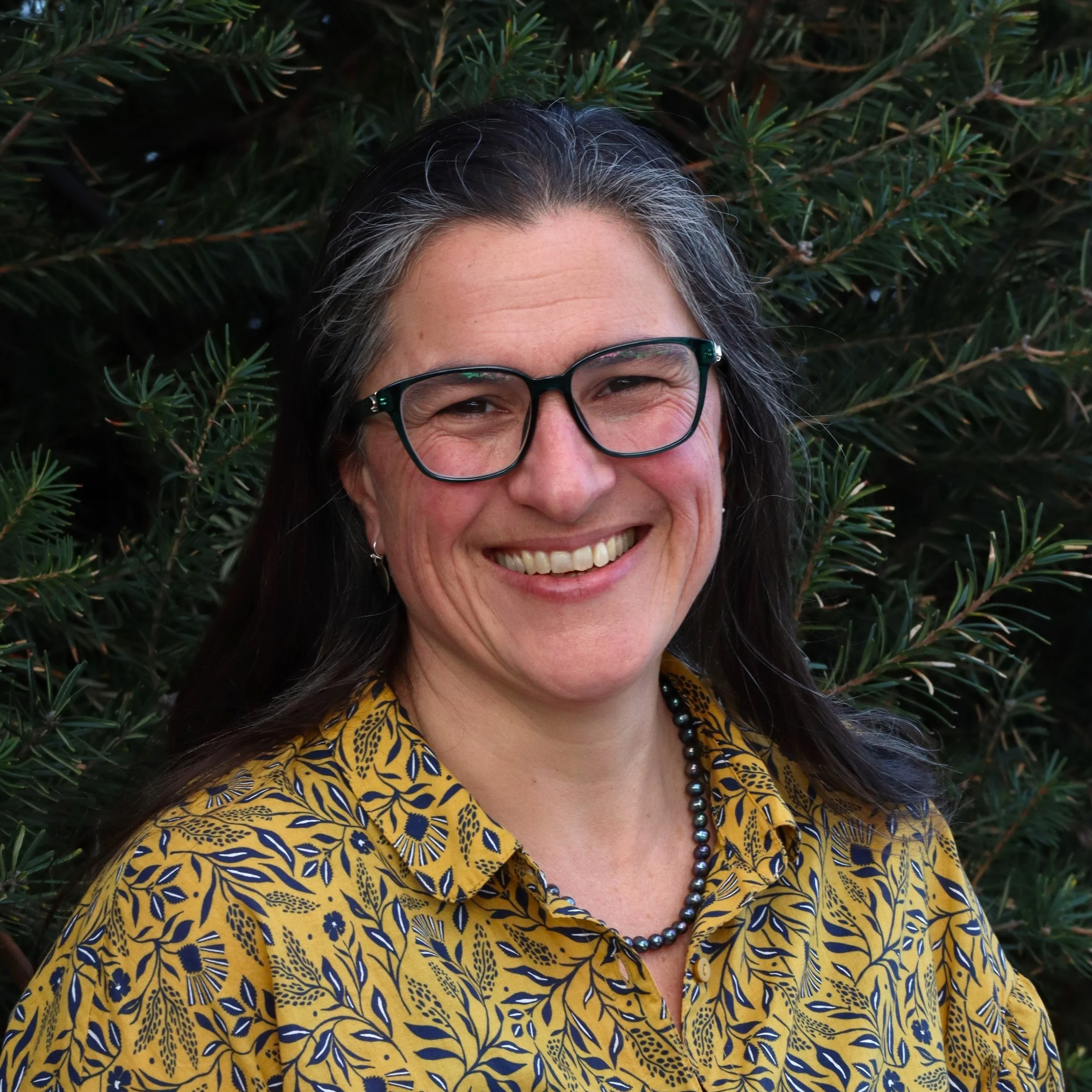
Meet Your Host, Chantel Yates
Chantel Yates is a naturopath, herbalist, and microbiome specialist based in Tasmania, Australia (muwinina land). She works with patients and practitioners across Australia and internationally, with a particular focus on complex gut cases, root cause clinical work, and the microbiome across the life cycle.
She is the founder of the Microbiome Mentorship Series, a case-led clinical education programme for practitioners, and hosts the Microbiome Through Life free webinar series to bring evidence-based gut health education to the broader community.
Each year Chantel also runs the Microbiome Retreat on Tasmania's Freycinet Peninsula, four days of deep rest, nourishing food, and gut-health education by the sea. The next gathering runs 29 October to 2 November 2026, with just ten places.
She brings to this work over 18 years of clinical experience, and the kind of curiosity that keeps following a thread until the whole picture makes sense.
Click here to see more on her Qualifications and Career Highlights.
Interested in ongoing support?
This webinar is part of a bigger picture.
Chantel is developing a small-group programme for people wanting ongoing, guided support with the ageing gut, building on what's covered in this series.
It's still taking shape. No dates, no pricing yet. If you'd like to be first to hear when it's ready, pop your details below and we'll keep you posted.
No commitment. We'll only reach out when there's something to share.
More in this series:The Microbiome Through Life
The Microbiome Through Life is a four-part free webinar series running from May to September 2026. This is the final session.
Each one stands alone, so you don’t need to have caught the earlier three.
All registrants receive the recording within 48 hours. Resources and references are included in the follow-up email.
FAQS
-
Not at all. Each webinar is designed to be accessible whether you're completely new to this topic or already have some background. Everything is explained in clear, evidence-based language that's equally useful for patients, parents, and practitioners.
-
Each session runs for 60 minutes - approximately 40-45 minutes of presentation followed by 15-20 minutes of Q&A.
-
Yes. A replay will be sent to all registered attendees within 48 hours of each session. We encourage you to join live if you can, as the Q&A is a great opportunity to ask your own questions.
-
No. These are genuine educational sessions built around evidence-based content you can use straight away. Chantel will mention ways to work with her further, but the focus is entirely on giving you useful knowledge.
-
Yes. Each webinar is designed to bridge both audiences. The content is clinically grounded and evidence-rich, and practitioners are very welcome - both to attend for their own learning and to share with patients in their care.